Archives
- 2026-10
- 2026-09
- 2026-08
- 2026-07
- 2026-06
- 2026-05
- 2026-04
- 2026-03
- 2026-02
- 2026-01
- 2025-12
- 2025-11
- 2025-10
- 2025-09
- 2025-03
- 2025-02
- 2025-01
- 2024-12
- 2024-11
- 2024-10
- 2024-09
- 2024-08
- 2024-07
- 2024-06
- 2024-05
- 2024-04
- 2024-03
- 2024-02
- 2024-01
- 2023-12
- 2023-11
- 2023-10
- 2023-09
- 2023-08
- 2023-06
- 2023-05
- 2023-04
- 2023-03
- 2023-02
- 2023-01
- 2022-12
- 2022-11
- 2022-10
- 2022-09
- 2022-08
- 2022-07
- 2022-06
- 2022-05
- 2022-04
- 2022-03
- 2022-02
- 2022-01
-
Renal Cell Carcinoma RCC is a
2025-01-04
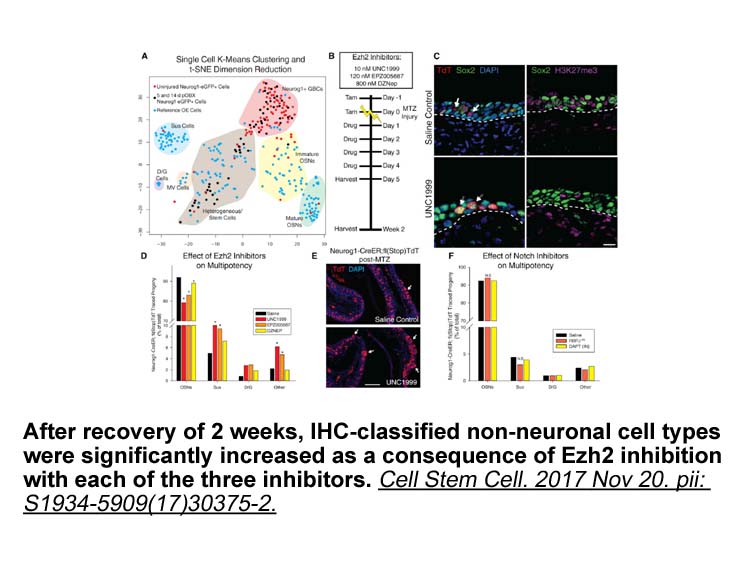
Renal Cell Carcinoma (RCC) is a lethal cancer with bad prognosis due to development of chemoresistance and recurrence of an aggressive tumor with increased tumor-angiogenesis and metastasis [7]. We have found Axl and Gas6 to be differentially presented in RCC subtypes, and Axl to correlate to tumor
-
br Acknowledgments br Introduction Cancer
2025-01-04
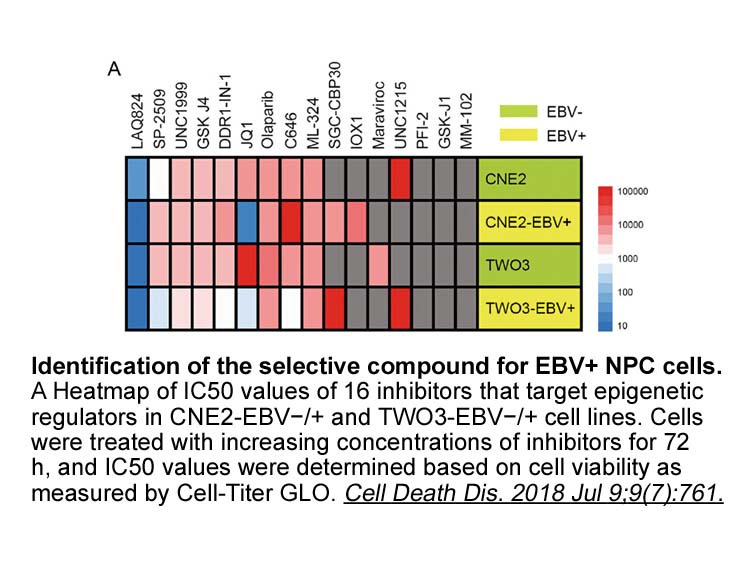
Acknowledgments Introduction Cancer is the leading cause of mortality in the United States for those between the ages of 40–79 years, surpassing heart diseases by more than 100,000 deaths [1]. The cause of most cancer subtypes remains idiopathic and may arise out of ‘bad luck’ among otherwise
-
The uterine muscle also changes to meet the demands of
2025-01-04
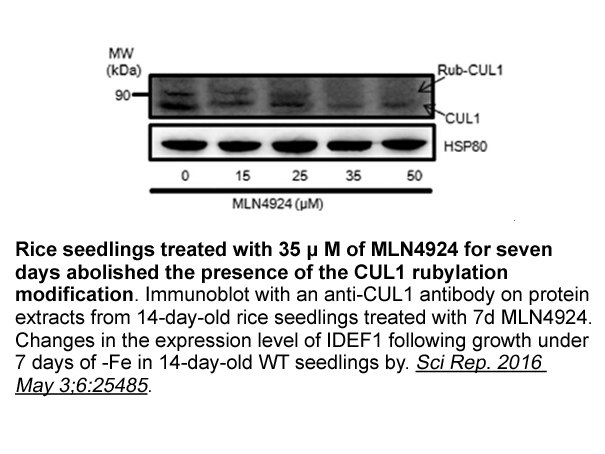
The uterine muscle also changes to meet the demands of pregnancy. Over the course of pregnancy, the myometrium undergoes structural remodeling to accommodate a growing fetus, followed by a functional switch from quiescent to contractile characteristics for parturition. Studies on the mouse model ind
-
Bromfenac Sodium The chronic induction of skeletal
2025-01-03
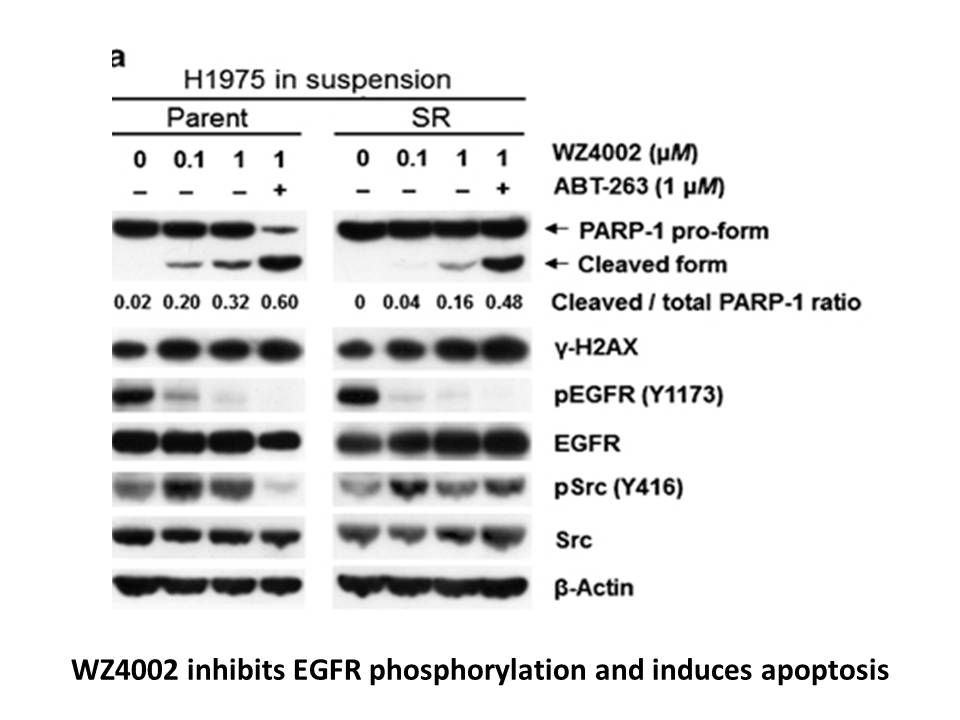
The chronic induction of skeletal muscle AMPK activity is an attractive therapeutic approach for DMD, as it addresses multiple cellular pathways needed for powerful phenotypic plasticity, including activation of the slow oxidative myofiber program, corrective autophagic signaling, as well as regulat
-
Various compounds have been designed to inhibit aldose reduc
2025-01-03
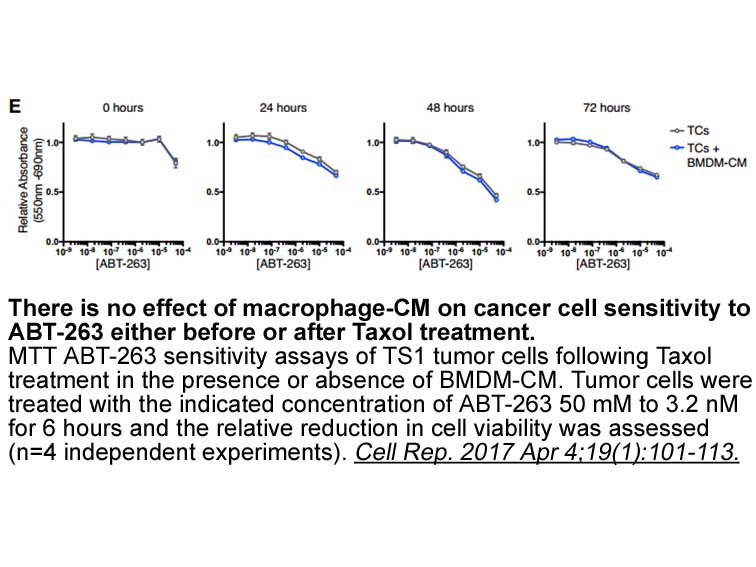
Various compounds have been designed to inhibit aldose reductase (AR) [12]. These compounds can be classified into two main categories, the first category comprises those containing a carboxylic SB 290157 trifluoroacetate salt moiety, for example, 3-thiazolidineacetic acid derivative, which has bee
-
br Expression of adiponectin mRNA in chickens We
2025-01-03
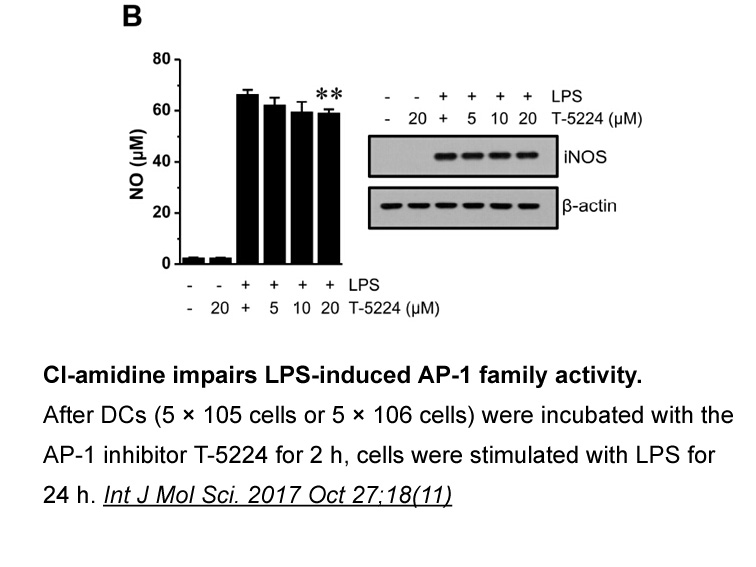
Expression of adiponectin mRNA in chickens We first sought to determine the nucleotide sequence of the chicken adiponectin cDNA. The open reading frame of the chicken adiponectin cDNA consists of 735 nucleotides that was 65–68% homologous to various mammalian adiponectin cDNAs (Maddineni et al.,
-
ACK can be localized to clathrin coated
2025-01-03
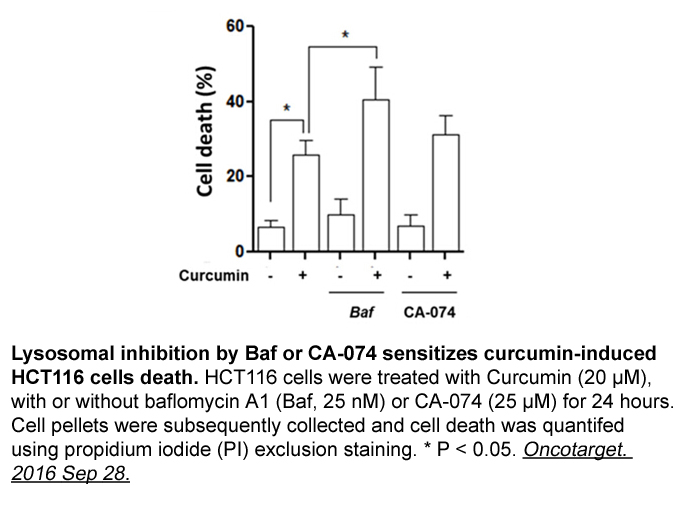
ACK1 can be localized to clathrin-coated vesicles [1]. The association of SNX9 with synaptojanin-1 would suggest the two cooperate during endocytosis at the synapse by coupling the sorting nexin to changes in phospholipid composition. ACK1 in turn negatively regulates the association of SNX9 with ta
-
To date the molecular responses of AChE have been partially
2025-01-03
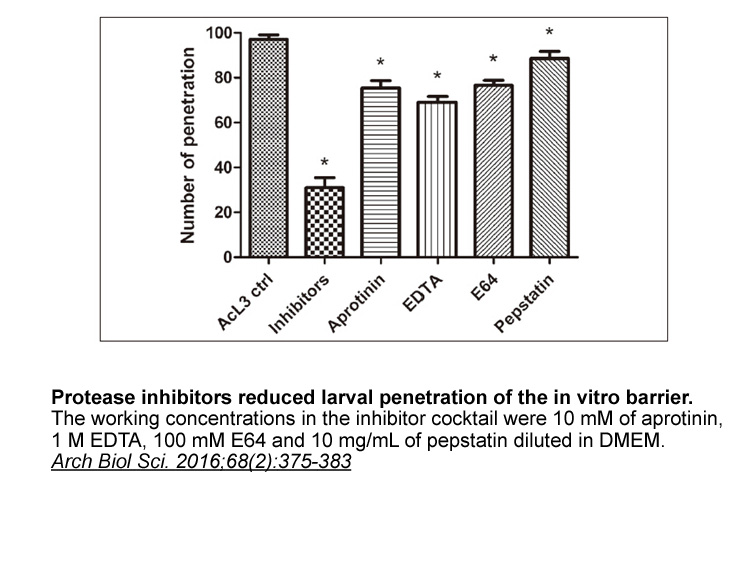
To date, the molecular responses of AChE have been partially analyzed in its mRNA level or protein activity in aquatic animals. To understand the correlation between transcriptional change and activity of AChE, we conducted both experiments in B. koreanus. Generally, the NG25 patterns of the Bk-AChE
-
NOXA a BH only protein is best known as a
2025-01-02
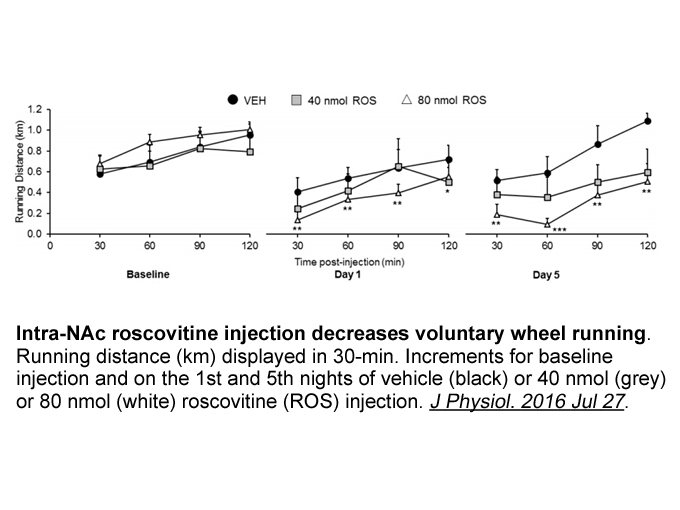
NOXA, a BH3-only protein, is best known as a selective inhibitor of MCL-1, which is a highly expressed pro-survival protein in many human malignancies [30]. In addition, NOXA was recently proven to act as a direct activator via directly binding to BAX to induce apoptosis [31]. Given that its levels
-
These anatomical studies were followed by the first
2025-01-02
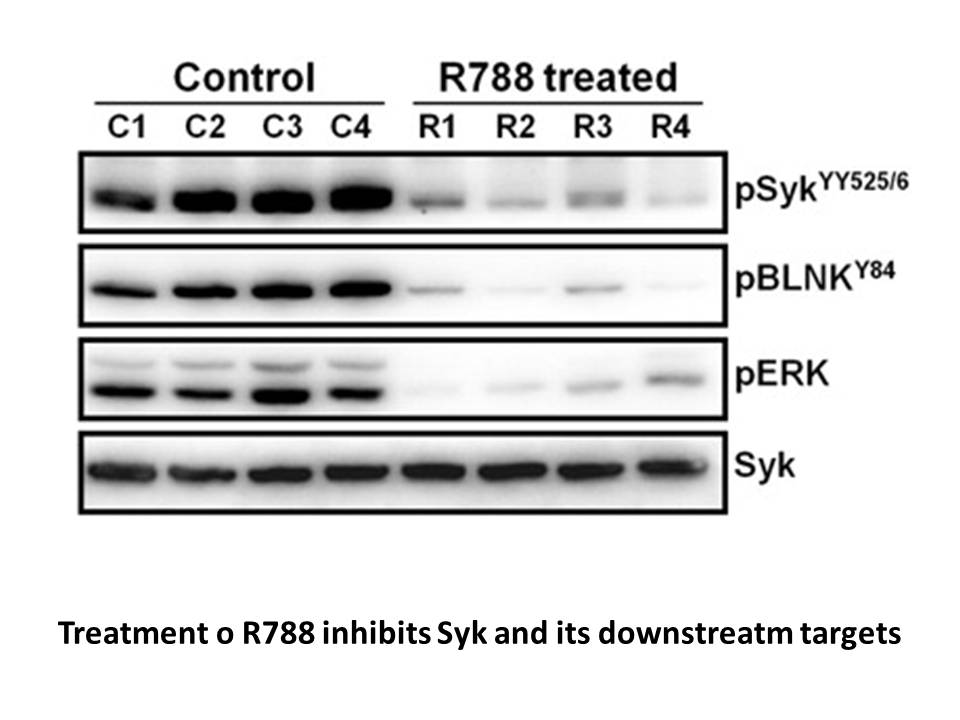
These anatomical studies were followed by the first functional MRI studies of auditory processing in songbirds that were performed in starlings (Van Meir et al., 2005; De Groof et al., 2017; De Groof et al., 2013b) and in zebra finches (Boumans et al., 2008a; Boumans et al., 2007; Boumans et al., 20
-
br Conclusions br Funding This work was
2025-01-02
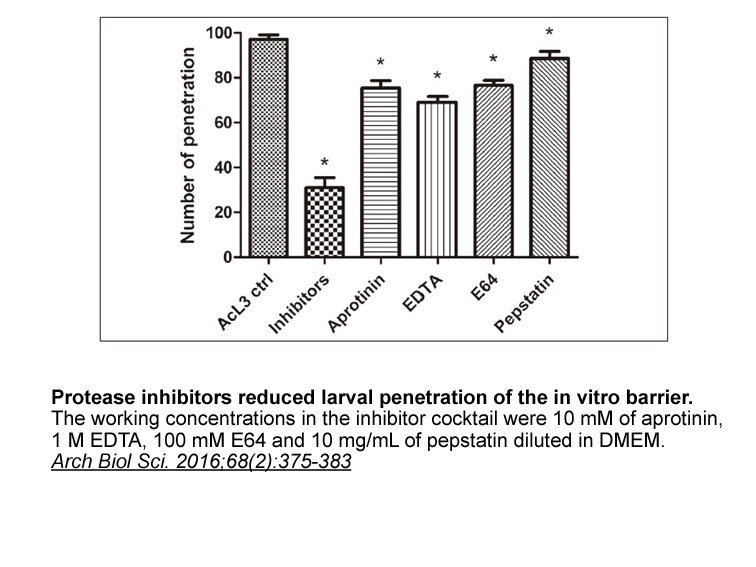
Conclusions Funding This work was supported by a Finnish government subsidy for health science research [grant numbers TYH2012141, TYH 2013218, and TYH 2014216]; the SSAC Foundation [grant numbers SLS-504141 and SLS-693781]; and the Paulo Foundation. The funding sources had no involvement in
-
Based upon these findings the S lipoxygenase seems
2025-01-02
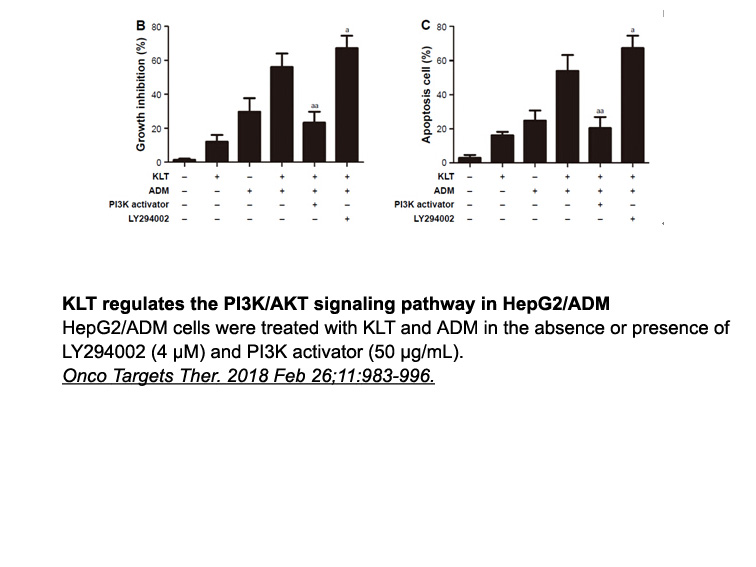
Based upon these findings, the 12S-lipoxygenase seems to increase membrane excitability by specifically inhibiting M-type K+ channels. The 12S-lipoxygenase is expressed in many parts of mammalian Nystatin mg including the cerebrum, cerebellum, hypothalamus, basal ganglia, hippocampus, olfactory bul
-
Epidermal growth factor EGF has been shown to increase
2025-01-02
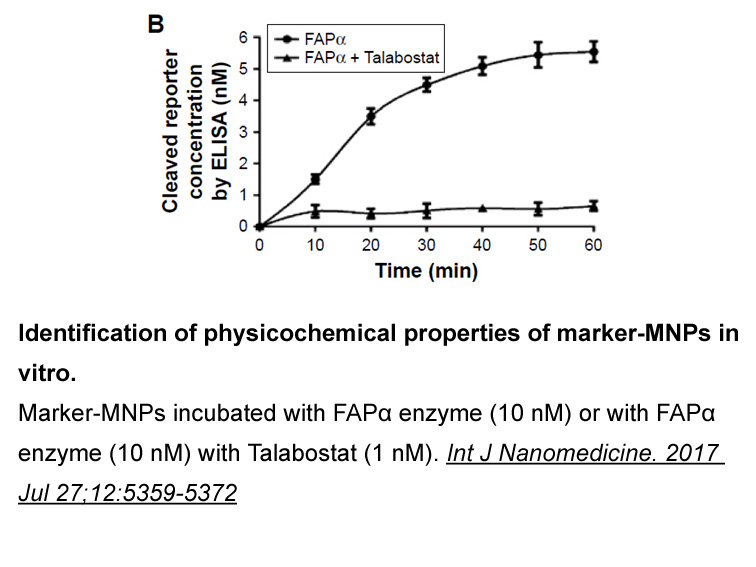
Epidermal growth factor (EGF) has been shown to increase the 12S-lipoxygenase mRNA level by about two-fold in human epidermoid carcinoma A431 cells [71]. This enzyme was shown to be of the platelet-type and associated with the microsomal fraction of the cells [71], [72]. A requirement for EGF recept
-
Modulating the ability of tumor cells to
2025-01-02
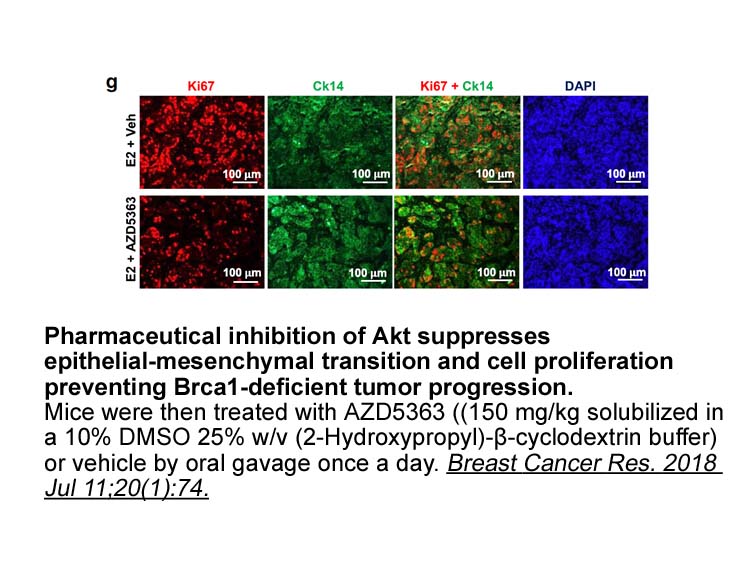
Modulating the ability of tumor TCS 2002 to detoxify ROS is a key mechanism by which cysteine metabolism affects tumor cell survival. One study observed hypermethylation of cysteine dioxygenase (CDO1) in 60% of tested breast cancer samples, leading to increased ROS detoxification and tumor cell surv
-
br AhR Modulators It is now well recognized
2024-12-31
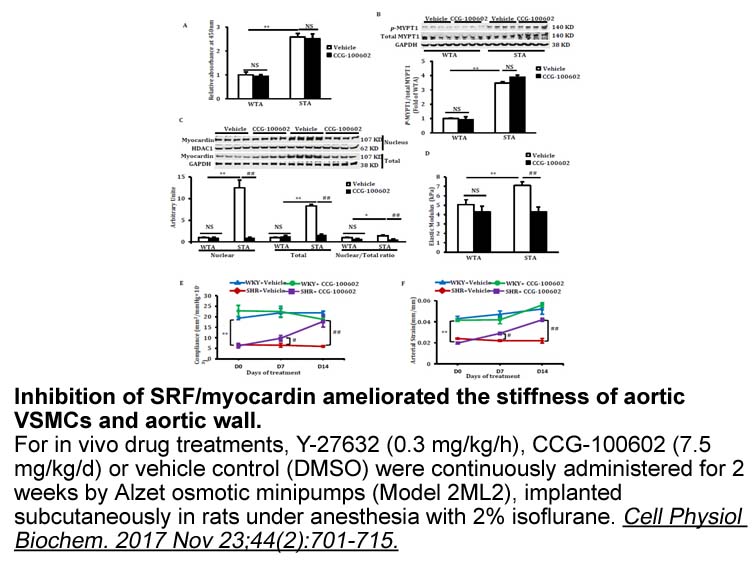
AhR Modulators It is now well recognized that ligand-activated AhR induces an immune tolerance response by acting directly on the antigen-presenting DCs and indirectly by increasing the population of immunosuppressive Tregs 24, 95, 96. In addition to inhibiting the formation or depleting the AhR
8152 records 67/544 page Previous Next First page 上5页 6667686970 下5页 Last page