Archives
- 2026-07
- 2026-06
- 2026-05
- 2026-04
- 2026-03
- 2026-02
- 2026-01
- 2025-12
- 2025-11
- 2025-10
- 2025-09
- 2025-03
- 2025-02
- 2025-01
- 2024-12
- 2024-11
- 2024-10
- 2024-09
- 2024-08
- 2024-07
- 2024-06
- 2024-05
- 2024-04
- 2024-03
- 2024-02
- 2024-01
- 2023-12
- 2023-11
- 2023-10
- 2023-09
- 2023-08
- 2023-06
- 2023-05
- 2023-04
- 2023-03
- 2023-02
- 2023-01
- 2022-12
- 2022-11
- 2022-10
- 2022-09
- 2022-08
- 2022-07
- 2022-06
- 2022-05
- 2022-04
- 2022-03
- 2022-02
- 2022-01
- 2021-12
- 2021-11
- 2021-10
- 2021-09
- 2021-08
- 2021-07
- 2021-06
- 2021-05
- 2021-04
- 2021-03
- 2021-02
- 2021-01
- 2020-12
- 2020-11
- 2020-10
- 2020-09
- 2020-08
- 2020-07
- 2020-06
- 2020-05
- 2020-04
- 2020-03
- 2020-02
- 2020-01
- 2019-12
- 2019-11
- 2019-10
- 2019-09
- 2019-08
- 2019-07
- 2019-06
- 2019-05
- 2019-04
- 2018-07
-
The enantiomeric ratio ER of chiral
2021-05-05
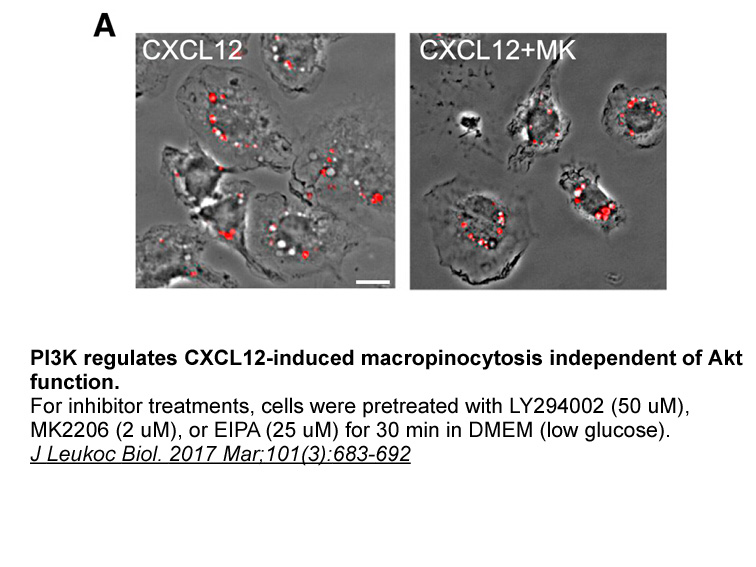
The enantiomeric ratio (ER) of chiral compounds accumulated in organisms has been found to be different among species (Borga and Bidleman, 2005, Harner et al., 1999, Warner et al., 2005, Wiberg et al., 2000), indicating enantioselective accumulation of chiral compounds are species-specific. The ER o
-
Structure similarity searches were conducted using
2021-05-05

Structure similarity searches were conducted using the standalone version of the DALI program with the query structures scanned against a local current version of the PDB that has all chains as separate entries (Holm and Sander, 1995). The structural hits for each query were collected, even if the D
-
br Introduction DNA dependent protein kinase DNA
2021-05-05
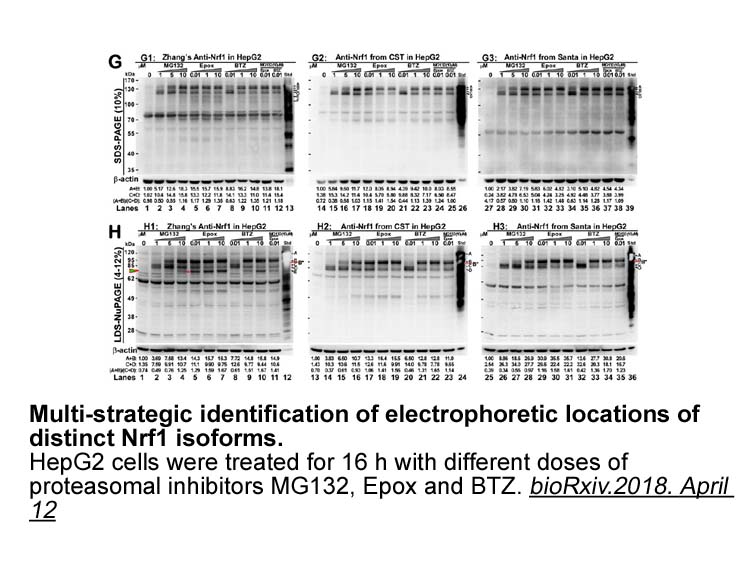
Introduction DNA-dependent protein kinase (DNA-PK) is a multicomponent serine/threonine protein kinase and considered a member of the phosphatidylinositol (PI) 3-kinase related kinase (PIKK family). This enzyme plays a critical role in the repair of mammalian DNA double strand breaks (DSBs) throu
-
Expression of MGMT in human cells
2021-05-05

Expression of MGMT in human dpp-4 inhibitor can be switched off by enzymatic methylation of a cytosine residue in the MGMT promoter sequence. In this regard, both MGMT and the mismatch repair function MLH1 belong to a subset of DNA repair genes that are subjected to epigenetic control. In consequenc
-
Cytokines are small secreted proteins that mediate and regul
2021-05-05

Cytokines are small secreted proteins that mediate and regulate immunity, inflammation, and hematopoiesis. They are produced in response to an immune stimulus. Cytokines regulate the intensity and duration of the immune response by stimulating or inhibiting the activation, proliferation, and/or diff
-
The ability of TKIs in
2021-05-05
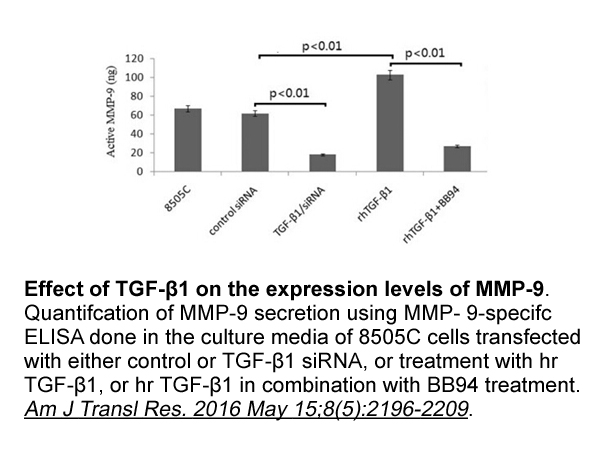
The ability of TKIs in inducing CRTH2 expression could be related to the c-terminal of CRTH2 receptor that is important molecular determinant in the down-stream signaling cascade activation [20]. This requires further studies to prove it or disprove it. Additionally, further studies are needed to ex
-
Different types of environmentally induced antinociception h
2021-05-05
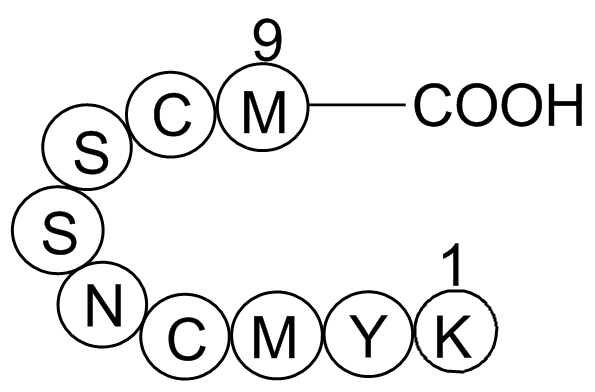
Different types of environmentally induced antinociception have been reported in a wide range of species (e.g., Behbehani, 1995, Bolles and Fanselow, 1980, Harris, 1996, Millan, 2002, Rodgers, 1995). According to Bolles and Fanselow (1980), fear and pain are independent and competing motivational sy
-
In contrast to PEGylated proteins which tend to have
2021-05-05
In contrast to PEGylated proteins which tend to have reduced AZD-5438 in the body relative to their native counterparts, proteins conjugated to albumin tend to accumulate in certain locales in vivo. This means that albumin-based drug carrier systems have particular applications in the field of chem
-
To evaluate the new quadrupolar
2021-05-05
To evaluate the new quadrupolar CPA (qCPA) the pure fluid properties of CO2 are predicted both in the critical region and in the compressed liquid region. The model is furthermore applied for the prediction and correlation of binary mixtures with CO2 and n-alkanes, water, alcohols and a few quadrupo
-
In previous works Gotor Vila et al c differences in
2021-05-05
In previous works (Gotor-Vila et al., 2017c), differences in solubility between the two carriers used during formulation were evidenced. Summarizing, maltodextrin (BA3 product) resulted in a much more soluble product since this polysaccharide is typically composed of an amount of reducing sugars bet
-
Enlarging the ligand binding pocket by reduction of
2021-04-30
Enlarging the ligand-binding pocket by reduction of the size of the residue F435 switched DES to an agonist indicating that F435 is involved in mediating the antagonistic effect of DES (Fig. 7E) [13]. The conformation of the smaller side chain of L435 was either not altered by DES or was too small t
-
hsp70 inhibitor Previous studies in the Swiss Webster mouse
2021-04-30
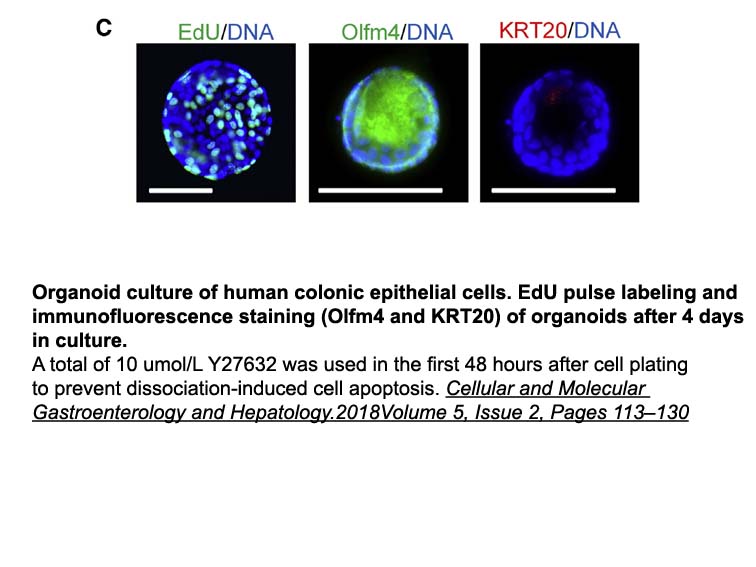
Previous studies in the Swiss Webster mouse (Rosengren et al., 1995) and the Sprague–Dawley rat (El Sisi et al., 1993) have shown that retinol pretreatment potentiates the hepatotoxicity of paracetamol. The current study is designed to investigate further this interaction in mice. To accomplish this
-
br Materials and methods br Results br Discussion Plg
2021-04-30
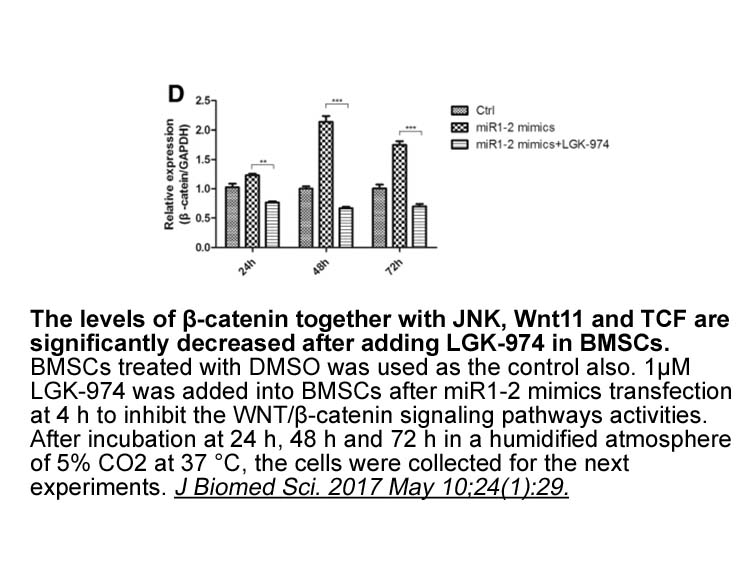
Materials and methods Results Discussion Plg plays important roles in various physiological processes, such as fibrinolysis, proteolysis, cell migration, differentiation, tissue remodeling, and inflammation [6], [7], [8]. We herein found that Plg deficiency enhanced insulin secretion, and w
-
br Concluding remark br Acknowledgements br Detection and re
2021-04-30

Concluding remark Acknowledgements Detection and repair of the numerous, and potentially lethal, DNA lesions arising in human Ch 55 daily is largely mediated by an efficient system collectively termed the DNA-damage response (DDR). Paradoxically, DNA-repair processes within cancer cells als
-
In contrast to G and G which are buried
2021-04-30
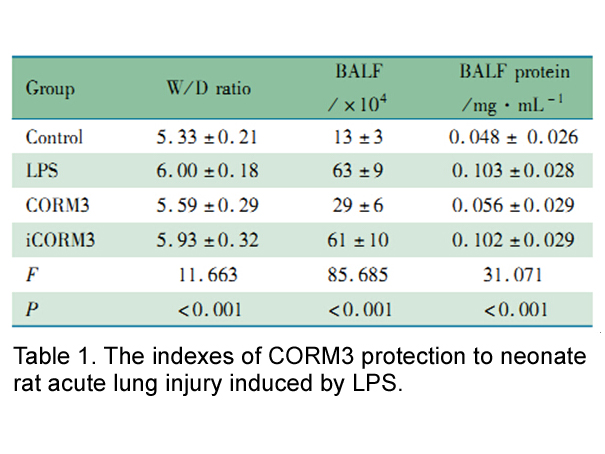
In alpha msh australia to G468 and G469, which are buried (Fig. 7a), residues 470–476 are equivalent to the surface loop L12 present in the crystal structure of the LigI complex (Fig. 7b) [17]. The OBD of DNA ligases adopts at least two distinct orientations during the catalytic cycle. In the adeny
15744 records 668/1050 page Previous Next First page 上5页 666667668669670 下5页 Last page